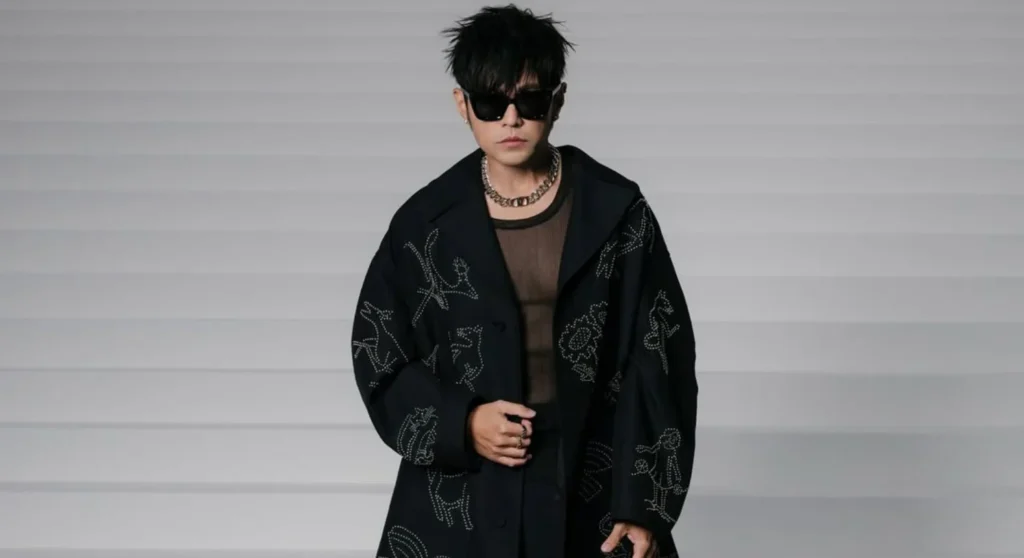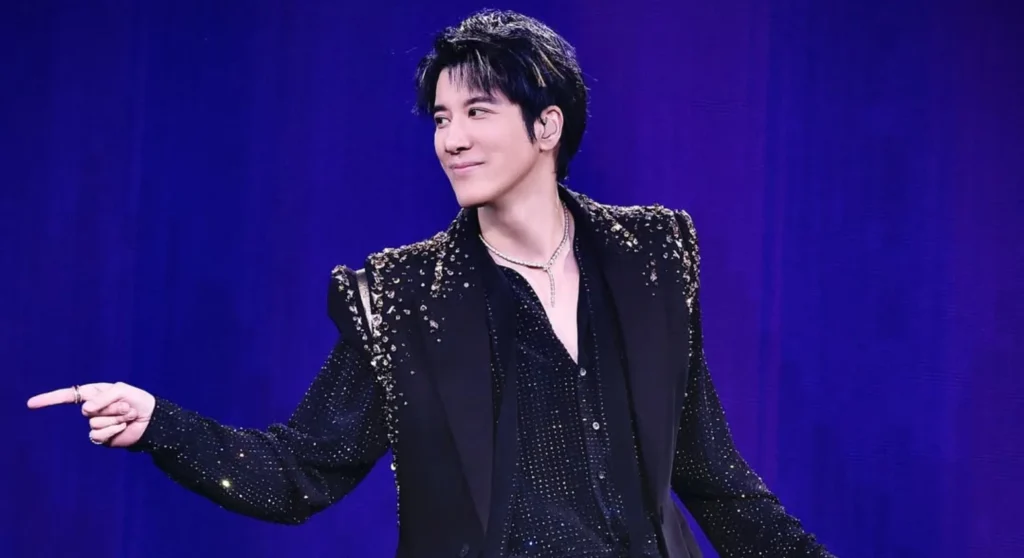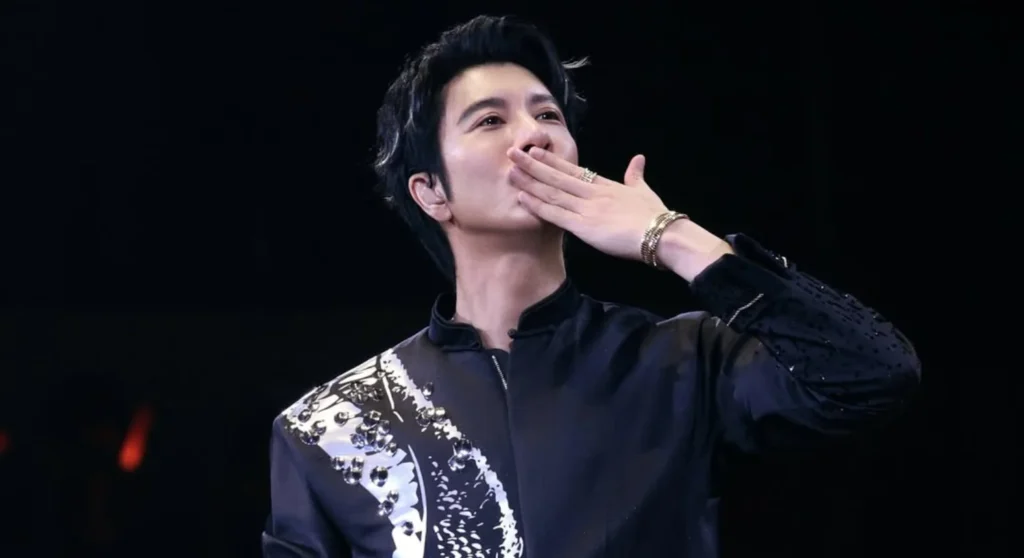


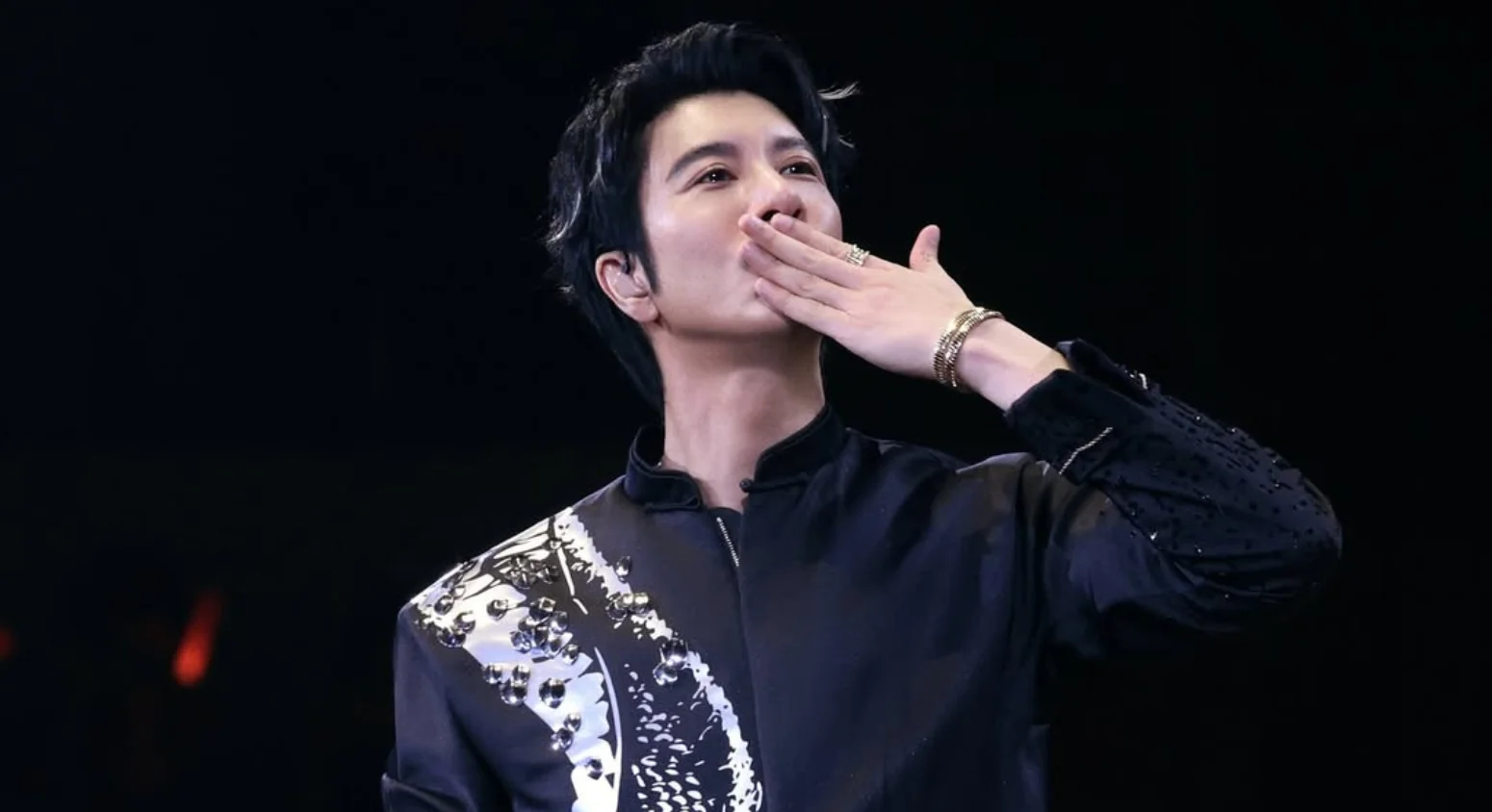
Few artists have transformed an entire music industry the way Leehom has. Over the past three decades, Leehom has evolved from a talented young singer into one of the most recognizable ambassadors of Chinese music on the global stage. His ability to blend Eastern traditions with Western influences, coupled with his exceptional musicianship and multilingual appeal, has made him a defining figure in Mandopop.
Known as the “King of Chinese Pop” by many fans and media outlets, Leehom has consistently pushed creative boundaries while staying deeply connected to his cultural roots. His music has reached audiences across Asia, North America, and beyond, helping introduce Chinese-language pop music to listeners worldwide.
But how exactly did Leehom become the face of Chinese music? The answer lies in his unique combination of talent, innovation, hard work, and vision.
A Musical Prodigy from an Early Age
Born in Rochester, New York, into a Taiwanese-American family, Leehom was surrounded by music from a young age. His parents encouraged classical music education, and he quickly developed exceptional skills on multiple instruments.
By the time he reached his teenage years, he had mastered:
- Piano
- Violin
- Guitar
- Drums
- Bass
- Various traditional Chinese instruments
Unlike many pop artists who primarily focus on singing, Leehom became a complete musician. His deep understanding of composition, arrangement, and production would later distinguish him from his peers.
His academic excellence also played a role in shaping his disciplined approach to music. Before fully committing to his music career, he studied at the prestigious Williams College, where he balanced academics with his growing passion for songwriting and performance.
Breaking into the Mandopop Industry
Leehom entered the Taiwanese music industry in the mid-1990s, a period when Mandopop was dominated by romantic ballads and conventional pop production.
Although his early albums showcased his impressive vocal ability, it was clear that he wanted to do something different.
Rather than simply following existing trends, Leehom sought to redefine what Chinese pop music could sound like.
His willingness to experiment with genres soon began attracting attention from both critics and audiences.
Creating a New Sound
One of Leehom’s greatest contributions to Chinese music was his innovative musical style.
Instead of limiting himself to traditional Mandopop formulas, he blended:
- R&B
- Hip-hop
- Funk
- Jazz
- Rock
- Electronic music
- Classical orchestration
- Traditional Chinese folk music
This unique combination created a signature sound that felt both modern and culturally authentic.
His music appealed to younger audiences seeking contemporary production while maintaining strong connections to Chinese heritage.
The Birth of “Chinked-out”
Perhaps Leehom’s most groundbreaking innovation was the creation of “Chinked-out.”
Rather than accepting stereotypes associated with Asian identity, Leehom redefined the term by celebrating Chinese culture through music.
Chinked-out combined:
- Traditional Chinese instruments
- Ancient melodies
- Modern hip-hop beats
- Contemporary R&B production
- Chinese opera influences
Albums like Shangri-La and Heroes of Earth showcased this musical philosophy, proving that Chinese cultural traditions could coexist with global pop sounds.
This concept inspired countless younger artists to embrace their heritage instead of imitating Western music trends.
A Singer, Songwriter, Producer, and Composer
What separates Leehom from many successful singers is that he rarely relied solely on other people to create his music.
He became known for wearing multiple creative hats.
Throughout his career, he has been:
- Singer
- Songwriter
- Composer
- Producer
- Arranger
- Multi-instrumentalist
- Music director
Because of this creative independence, every album carried a distinctive artistic identity.
Fans weren’t simply listening to songs performed by Leehom—they were listening to music created by him from the ground up.
Crossing Cultural Boundaries
One of the reasons Leehom became such an influential artist is his ability to bridge cultures.
Growing up in the United States while embracing his Chinese heritage gave him a unique perspective.
He understood:
- Western music theory
- American pop culture
- Chinese traditions
- Mandarin-language songwriting
This cultural fluency allowed him to introduce Chinese audiences to global musical styles while simultaneously introducing international listeners to Chinese music.
His work demonstrated that music could transcend borders without losing its cultural identity.
A Global Ambassador for Chinese Music
Leehom’s popularity extends far beyond Taiwan and mainland China.
His albums have found audiences across:
- Singapore
- Malaysia
- Hong Kong
- China
- Japan
- South Korea
- North America
- Australia
International tours and collaborations further strengthened his reputation as one of the most recognizable faces of Chinese music.
Unlike many regional artists, Leehom became a cultural ambassador, representing Mandarin music on the global stage.
Award-Winning Excellence
Throughout his career, Leehom has earned numerous prestigious awards recognizing both his artistic achievements and commercial success.
These honors include:
- Golden Melody Awards
- Global Chinese Music Awards
- MTV Asia Awards
- Chinese Music Awards
- Various international music recognitions
While awards alone do not define an artist, they reflect the respect Leehom has earned from both industry professionals and fans.
His consistent excellence over several decades is a testament to his dedication and creativity.
Influence on a New Generation
Leehom’s impact extends beyond his own discography.
Many younger Mandopop artists cite him as a major influence because of his willingness to innovate and experiment.
His career showed emerging musicians that they could:
- Blend genres fearlessly.
- Write and produce their own music.
- Celebrate Chinese culture.
- Pursue artistic authenticity.
- Build international careers without abandoning their roots.
His influence continues to shape the direction of contemporary Chinese pop music.
More Than Music
Leehom’s career also includes acting, directing, philanthropy, and educational initiatives.
Over the years, he has participated in charity projects supporting children, disaster relief, education, and community development.
His recent charity single, Hope, continues this tradition by raising awareness about youth mental wellness through collaboration with social organizations.
These efforts have helped strengthen his reputation not only as an artist but also as a public figure committed to making a positive impact.
Why Fans Continue to Admire Leehom
In an industry where trends change rapidly, Leehom has remained relevant because of his commitment to authenticity.
Fans appreciate his:
- Exceptional musicianship
- Meaningful songwriting
- Live performance skills
- Musical innovation
- Cultural pride
- Artistic integrity
Rather than chasing short-lived trends, he has consistently focused on creating timeless music that resonates across generations.
The Legacy of Leehom
Leehom’s influence on Chinese music cannot be measured solely by album sales or awards.
His true legacy lies in transforming perceptions of what Mandarin pop music could become.
He demonstrated that Chinese music could be:
- Internationally competitive
- Artistically sophisticated
- Culturally authentic
- Commercially successful
- Musically innovative
By blending Eastern traditions with contemporary global sounds, Leehom helped reshape the identity of modern Mandopop.
Today, many artists continue to follow the path he pioneered, proving that his influence extends far beyond his own recordings.
Final Thoughts
Leehom’s journey from a talented Taiwanese-American musician to one of the most influential figures in Chinese music is a story of vision, perseverance, and artistic innovation.
His willingness to challenge conventions, embrace his cultural heritage, and continuously evolve has earned him a place among the greatest artists in Mandopop history.
Whether through groundbreaking albums, genre-defining musical concepts like Chinked-out, unforgettable live performances, or meaningful philanthropic work, Leehom has consistently demonstrated that music can connect cultures and inspire generations.
For millions of fans around the world, Leehom is more than a singer—he is a symbol of creativity, cultural pride, and the global potential of Chinese music. As his influence continues to inspire new artists and listeners alike, his legacy as one of the true faces of Chinese music remains firmly established.