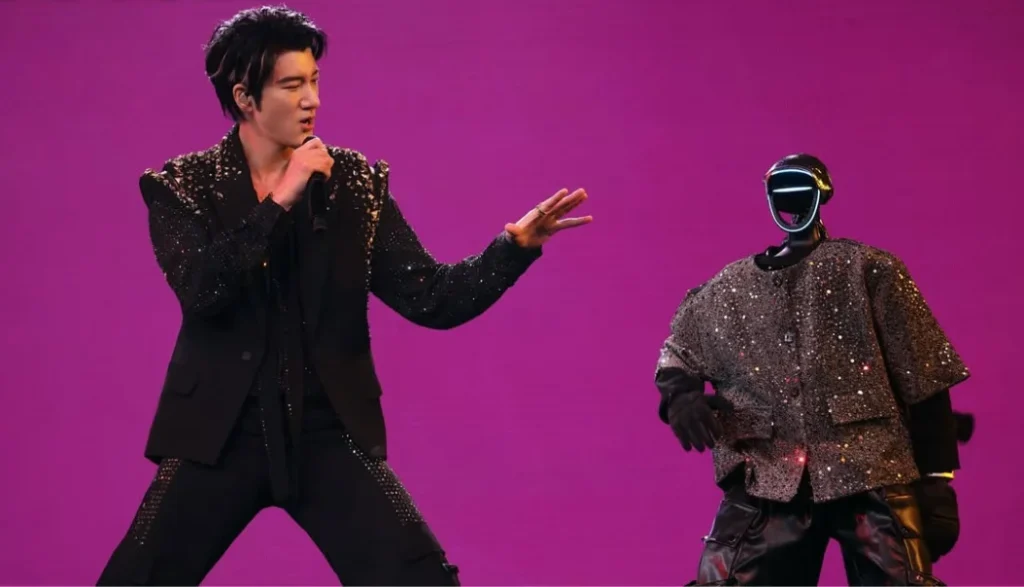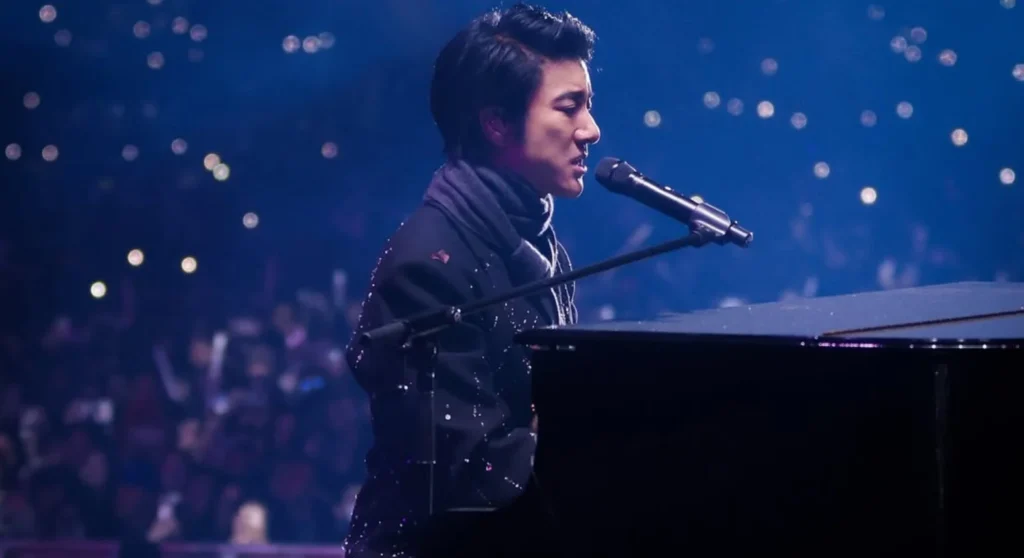
If you’ve ever wanted to experience live music in China — whether that’s a 50,000-person stadium show headlined by a C-pop legend, an intimate indie gig in a Shanghai basement club, or a K-pop arena night in Hong Kong — this guide is for you.
China’s live music industry is one of the fastest-growing in the world. But it works differently from what Western fans are used to. The ticketing platforms are different, the venue rules are different, and knowing what to expect before you go makes the whole experience dramatically better.
This guide covers it all — and unlike most concert guides you’ll find online, it doesn’t go stale when the calendar flips. Everything here is true regardless of what year you’re reading it.
Table of Contents
Quick Answer:
China has one of Asia’s most active concert scenes, with hundreds of live shows every year across Beijing, Shanghai, Guangzhou, Shenzhen, Chengdu, and Hong Kong. C-pop legends, K-pop groups, and international rock and pop acts all tour here. Tickets are bought through Damai (大麦) for Chinese artists or Trip.com for international visitors. This guide covers everything you need to know — from finding shows to getting through the venue gates.
What Is China’s Concert Scene?
China’s live music industry generates billions of dollars annually and continues to grow year over year. It is now the third-largest live music market in the world, behind only the United States and the United Kingdom. Every major global and regional touring act — from Western rock bands to K-pop groups to homegrown C-pop stars — considers China a priority market.
The Chinese concert landscape has several distinct layers:
- Stadium mega-shows: China’s largest venues hold 50,000–91,000 people. These are reserved for the biggest domestic and international acts and often sell out within minutes.
- Arena concerts: 10,000–20,000 seat venues are the backbone of China’s touring circuit. Most major K-pop and C-pop tours play at this level.
- Mid-size music halls: 3,000–8,000 seat venues that host a mix of domestic and international artists. More accessible and often more atmospheric than arenas.
- Intimate clubs and live houses: 200–1,500 capacity venues where indie artists, jazz musicians, and emerging acts perform. Shanghai and Beijing have thriving ecosystems of these.
- Music festivals: Multi-day outdoor events that run annually across major cities, featuring dozens of artists across multiple stages.
What makes China’s scene distinctive is scale. A single Jay Chou or G.E.M. tour might involve 30+ cities. A sold-out stadium show is not an exception — it’s the standard for top-tier C-pop artists. For international fans visiting China, this creates extraordinary access to world-class live music across an enormous range of genres.
The Best Cities for Live Music in China
China has dozens of cities with active concert scenes, but six stand out as the core touring markets. Understanding each city’s personality helps you decide where to base yourself for a music trip.
| City | Scene Personality | Best For | Key Venue |
| Beijing | Rock-heavy, indie culture, K-pop arena shows, the original hub of Chinese live music | Rock fans, K-pop, established C-pop | Wukesong Arena (18,000) |
| Shanghai | Most international, widest genre diversity, from 200-seat jazz bars to 18,000-seat arenas | Every genre — best overall diversity | Oriental Sports Center (18,000) |
| Guangzhou | Fast-growing, diverse, Southern China gateway, strong for C-pop and international pop | C-pop, pop, R&B | GBA Int’l Sports Arena (15,000) |
| Shenzhen | Young, tech-savvy, increasingly major for big international acts | International pop, electronic | Shenzhen Bay Sports Center (40,000) |
| Chengdu | Fast-rising music city, massive venues, strong indie and festival culture | Stadium shows, indie festivals | Universiade Sports Center (60,000) |
| Hong Kong | Most foreigner-friendly, international payment accepted, English spoken widely, gateway for K-pop | K-pop, global superstar tours, foreigners’ first concert | Kai Tak Stadium (50,000) |
Traveller tip: If this is your first concert in China and you’re coming from outside Asia, start with Hong Kong. Tickets are easy to buy internationally, venues are foreigner-friendly, English is widely spoken, and the transport network is exceptional.
Top Concert Venues in China: A Complete Reference
These are the venues that matter — the ones that regularly host the biggest domestic and international artists. Knowing these venues by name means you immediately understand the scale and prestige of any concert you’re considering.
Stadium-Scale Venues (30,000+ capacity)
| Venue | City | Capacity | Known For |
| Universiade Sports Center | Chengdu | 60,000 | Mega C-pop and international stadium tours |
| Kai Tak Stadium | Hong Kong | 50,000 | The primary stadium for global K-pop and international superstar tours in Greater China |
| National Stadium (Bird’s Nest) | Beijing | 91,000 | Once-in-a-generation events; rarely used for music but iconic |
| Shenzhen Bay Sports Center | Shenzhen | 40,000 | International pop, domestic C-pop stadium shows |
| Foshan Int’l Sports Culture Center | Foshan | 20,000 | Major C-pop tours; technically arena-scale but often used for regional stadium events |
Arena Venues (8,000–20,000 capacity)
| Venue | City | Capacity | Known For |
| Huaxi LIVE-Wukesong Arena | Beijing | 18,000 | K-pop and C-pop; excellent acoustics; subway-accessible |
| SPD Bank Oriental Sports Center | Shanghai | 18,000 | International rock and pop; Western artist China debut venue |
| GBA International Sports Arena | Guangzhou | 15,000 | Diverse lineup; rising venue importance for South China tours |
| AsiaWorld-Arena | Hong Kong | 13,500 | K-pop groups (non-stadium scale); easy airport access |
| Universiade Center Gymnasium | Shenzhen | 13,000 | Indoor arena shows for C-pop and international artists |
Mid-Size & Intimate Venues
| Venue | City | Capacity | Best For |
| Modern Sky Lab (摩登天空) | Shanghai | 1,500 | Indie, alternative, emerging C-pop artists |
| Yuyintang (育音堂) | Shanghai | 800 | Underground rock, punk, experimental — a legendary Shanghai venue |
| Mao Livehouse (MAO) | Beijing / Shanghai | 600–1,000 | Rock, metal, alternative — best live house chain in China |
| DDC (丁董酒吧) | Beijing | 300 | Jazz, blues, acoustic sets in an intimate setting |
| The Shelter | Shanghai | 300 | Electronic music institution — a Shanghai basement club icon |
| Livehouse in Chengdu (ING) | Chengdu | 1,200 | Rising venue for indie and rock acts in Southwest China |
Why venue knowledge matters: When you see ‘Artist X at Wukesong’ you know it’s an 18,000-person arena show — mid-tier for a major artist, premium for an indie one. When you see ‘Modern Sky Lab’ you know it’s intimate and probably tickets are under ¥200. Venue literacy saves you from surprises.
What Types of Concerts Happen in China?
China’s live music scene is far more diverse than most international observers expect. Here’s a breakdown of the major concert categories you’ll encounter:
| Concert Type | What It Is | Price Range (RMB) | Where to Find It |
| C-Pop Stadium Tour | Major Chinese pop artists (Jay Chou, G.E.M., Jolin Tsai) performing full production shows across multiple cities | ¥380–¥1,880+ | Damai — sells out fastest |
| K-Pop Arena Show | Korean idol groups performing in Hong Kong or mainland China arenas with full choreography and fan meeting elements | ¥380–¥2,580 | YES24, Cityline (HK), Trip.com |
| International Pop / Rock Tour | Western artists (Imagine Dragons, Coldplay, Ed Sheeran-level) on Asia legs of world tours | ¥480–¥3,000+ | Live Nation China, Damai |
| Indie / Alternative Livehouse | Chinese and international indie artists in small clubs — often announced with little notice | ¥80–¥280 | Mao Livehouse, Modern Sky Lab websites |
| Jazz & Acoustic Shows | Smaller international and Chinese jazz acts performing in dedicated bars and small venues | ¥60–¥200 | SmSm (什么是摇滚乐), venue direct |
| Music Festival (Multi-day) | Outdoor festivals with 20–100+ artists across multiple stages over 2–4 days | ¥320–¥780 per day | Damai, official festival sites |
| Drama OST Concert | Concert performances built around soundtracks of popular Chinese dramas — a uniquely Chinese format | ¥280–¥980 | Damai |
| Electronic / Club Night | DJ sets and electronic music events — thriving in Shanghai, Shenzhen, Chengdu | ¥80–¥300 | RA (Resident Advisor), venue direct |
The Biggest C-Pop Artists Who Tour China
These are the artists who consistently headline arenas and stadiums in China, year after year. Their tours are events — often selling out nationwide within hours. If you want to experience the scale and emotion of a C-pop stadium show, these are the names to follow.
The Legends — Artists Who Defined Chinese Live Music
| Artist | Genre | Known For in Concert | Typical Venue Scale | Ticket Difficulty |
| Jay Chou (周杰伦) | Mandopop / Zhongguo Feng | The most theatrical C-pop show in existence — elaborate sets, orchestras, Zhongguo Feng arrangements, and two-hour marathons | Stadium (30,000–60,000) | Extremely hard — sell out in minutes |
| G.E.M. (Gloria Tang / 邓紫棋) | C-Pop / R&B / Dance | Raw vocal power + high production — she has sold out more stadium dates than any other female C-pop artist in history | Stadium (30,000–50,000) | Very hard — major pre-sale required |
| Jolin Tsai (蔡依林) | Mandopop / Dance-Pop | Known for the most elaborate stage design in Mandopop — her concerts are as much visual art as music | Stadium (30,000–60,000) | Very hard |
| JJ Lin (林俊杰) | Mandopop / R&B | Emotional, technically flawless live performances — beloved for his consistency and vocal ability | Arena to Stadium | Hard |
| Hua Chenyu (华晨宇) | Art-Pop / Rock / Experimental | Wildly creative concerts that defy category — a cult following that fills arenas with passionate fans | Arena (10,000–20,000) | Hard |
| Wang Leehom (王力宏) | Mandopop / Fusion | Pioneer of Chinese fusion music — live shows mix R&B, pop, and traditional Chinese elements | Arena to Stadium | Moderate |
The Modern Stars — Artists Who Pack Arenas Now
| Artist | Genre | Why Their Concerts Are Special |
| Jackson Wang (王嘉尔) | C-Pop / Hip-Hop / Global Pop | The most internationally visible C-pop live act — known for high-energy, genre-blending shows. Has topped Apple Music in 20+ countries. |
| Lexie Liu (刘柏辛) | C-Pop / R&B / Electronic | A visually striking artist pushing the boundaries of C-pop production — concerts feel like fashion shows as much as music events |
| Xiao Zhan (肖战) | Mandopop | Drama-fuelled fan devotion translates into extraordinary concert atmosphere — intimate emotional connection between artist and audience |
| Ronghao Li (李荣浩) | Folk-Rock / Pop | Known for authentic, stripped-back shows that contrast with the production-heavy mainstream — beloved for sincerity |
| Jane Zhang (张靓颖) | Ballad / Pop | Considered one of the finest live vocalists in all of C-pop — her concerts are studied for their technical excellence |
| Lay Zhang (张艺兴) | C-Pop / K-Pop crossover | EXO member turned solo artist — bridges C-pop and K-pop fandoms with high-production arena shows |
Newcomer tip: If you want your first C-pop concert to be an unforgettable introduction to the genre, aim for Jay Chou or G.E.M. Both are universally considered to deliver the full C-pop experience — massive production, emotional depth, and the unique feeling of being surrounded by tens of thousands of passionate Chinese music fans.
K-Pop and International Artists in China
K-Pop in China: What You Need to Know
K-pop has an enormous fanbase in China, and Korea’s biggest groups regularly include Greater China stops on their world tours. Hong Kong is the primary entry point — Kai Tak Stadium (50,000 capacity) is the dominant venue for stadium-scale K-pop in Asia, and AsiaWorld-Arena handles mid-tier groups.
| K-Pop Group | Typical Venue in Greater China | Ticket Platform | Fan Community Notes |
| BTS | Largest stadiums in Korea/Asia; occasional HK stops | Yes24, Klook, official fan cafe | ARMY fan club pre-sales essential — general sale often sells out instantly |
| BLACKPINK | Kai Tak Stadium, Hong Kong | Cityline (HK) | Deadline World Tour runs periodically; HK is their Greater China base |
| TWICE | Kai Tak Stadium / Wukesong Beijing | YES24, Trip.com | Regular Asia tours include HK and mainland stops |
| SEVENTEEN | Kai Tak Stadium / Wukesong Beijing | YES24, Klook | 13-member group fills 50,000-seat venues; fan pre-sale critical |
| aespa | AsiaWorld-Arena, Hong Kong | Cityline | Strong Chinese fandom; regular HK visits |
| Stray Kids | AsiaWorld-Arena / Arena shows | Yes24, Klook | Growing fanbase; increasing venue size each tour cycle |
| NewJeans | Arena shows | YES24, Trip.com | Rapidly rising — watch for stadium upgrades on next tour |
Western and International Artists in China
Western artists tour China less frequently than K-pop groups, but major acts do visit — particularly those with large Asian fanbases or global superstars on mega-tours. Shanghai’s Oriental Sports Center and Shenzhen Bay Sports Center are the primary venues for international rock and pop acts.
| Artist Type | How Often They Visit | Typical Venue | Where to Track Dates |
| Global Pop Superstars (Taylor Swift-level) | Rarely — logistical and regulatory complexity is high | National Stadium level if it happens | Live Nation China announcements |
| Mid-tier International Pop (Jessie J, OneRepublic level) | Periodically — Asia legs of world tours often include 2–3 China dates | 15,000–20,000 seat arenas | Bandsintown, Songkick, Live Nation China |
| Western Rock (Imagine Dragons, Coldplay-level) | Occasional — when mega-tours do massive Asia legs | 20,000–60,000 seat venues | Live Nation China, Damai |
| Indie / Alternative (Mac DeMarco-level) | More frequently — artist-driven tours specifically seeking Chinese audiences | Modern Sky Lab, Yuyintang (500–2,000) | Modern Sky Music, Mao Livehouse website |
| Electronic / DJ (International) | Regularly — China’s club and festival scene is active | Clubs, Storm Festival, Concrete & Grass | RA (Resident Advisor), venue direct |
Key fact: China’s market for international artists has expanded steadily. Artists who previously skipped China are now including it on world tours. The key signal is when an artist announces an ‘Asia leg’ — China is almost always on that list if the artist has any traction in the region.
Music Festivals in China: Annual Events Worth Planning Around
China’s festival scene is a world apart from individual concerts — multi-day, multi-stage outdoor events that mix established artists with emerging acts across every genre. These festivals run on annual cycles, and knowing when they happen lets you plan trips years in advance.
| Festival | Location(s) | Usual Season | Scale & Genre | Why It Matters |
| Strawberry Music Festival (草莓音乐节) | Beijing, Shanghai, Chengdu, Nanjing + others | May Day Golden Week (May 1–5) + autumn dates | 100,000+ across multiple cities; indie, alternative, C-pop, folk | China’s biggest indie music festival — the Glastonbury equivalent in scale and cultural importance. Multiple city editions run simultaneously. |
| MIDI Music Festival (迷笛音乐节) | Beijing, Zhenjiang, Shenzhen | April/May and October | Rock, metal, punk, folk, world music | The original — founded in 2000, it’s the grandfather of Chinese rock festivals. Raw energy, loyal community, no-frills atmosphere. |
| Storm Music Festival (风暴音乐节) | Shanghai (primarily) | Summer | Electronic, dance, house, techno | China’s premier EDM festival. International DJs headline alongside Chinese electronic artists. Massive production values. |
| Concrete & Grass (混凝土与草地) | Shanghai (Sunken Garden) | September/October | Indie, international, alternative | Shanghai’s most curated boutique festival — known for strong international bookings and a young, creative audience. |
| Top Music Festival (摩登天空旗下各节) | Multiple cities | Year-round various | Multi-genre | The Modern Sky label runs multiple festival properties nationwide — second only to Strawberry in reach. |
| Helens Music Festival (海伦斯) | Chengdu, Chongqing | Summer | Rock, folk, indie | Southwest China’s growing festival circuit — part of Chengdu’s rise as a music city. |
How to Know When Festivals Are Happening
- Follow the official Weibo accounts of Strawberry (摩登天空), MIDI (迷笛音乐节), and Storm — they announce dates 2–3 months in advance.
- Set a Damai alert for the festival name — tickets go on Damai simultaneously with the official announcement.
- May Day Golden Week (May 1–5) and National Day Golden Week (October 1–7) are the two peak festival windows every year without exception.
- Check Bandsintown and Songkick for festival announcements if you don’t read Chinese — they aggregate most major Chinese festival announcements.
How to Buy Concert Tickets in China (Step-by-Step)
The process of buying concert tickets in China is different from what Western fans are used to — but it’s completely manageable once you understand the system. The key platforms are Damai for domestic artists and Trip.com for international visitors. Here’s exactly how it works.
Step 1: Find the Event
The best ways to discover upcoming concerts in China:
- Damai (大麦) app: Search the artist name in Chinese or English — most major events list here first
- Trip.com: English-language interface; search ‘concerts [city]’ or the artist name
- Artist official Weibo accounts: Most C-pop artists announce tour dates on Weibo before any other platform
- Songkick / Bandsintown: International aggregators that now cover most major Chinese concert announcements
- WeChat fan groups: For high-demand C-pop artists, fan communities circulate pre-sale information faster than any platform
Step 2: Understand the Pre-Sale System
China’s concert market uses layered pre-sales that determine who gets access first. Knowing this system is the difference between getting tickets and missing out entirely.
| Pre-Sale Tier | Who Gets Access | How to Qualify |
| Fan Club Pre-Sale (第一轮) | Official fan club members — first access, best seats | Join the artist’s official fan club on Weibo or the artist’s app. Usually requires a small annual fee (¥30–¥100). |
| Platinum / VIP Pre-Sale | Platform loyalty members — Damai VIP, Trip.com Diamond, etc. | Use the platform regularly for purchases — loyalty status builds over time |
| Credit Card Pre-Sale | Holders of specific bank credit cards (usually China UnionPay partners) | Not accessible for most foreign visitors — skip this tier |
| General Sale (公开发售) | Everyone — but tickets are often 50–90% gone by this point | Set an alarm. Be logged in and ready the moment the sale opens. Have your payment method pre-saved. |
| Waitlist | Anyone who missed the general sale | Add yourself to the Damai or Trip.com waitlist immediately — cancellations release back into the waitlist pool |
Step 3: Choose Your Platform
See the full platform comparison in the next section. For most visitors: use Trip.com for international payment support. For C-pop specific pre-sales: you need Damai.
Step 4: Complete Your Purchase
- Log in to your account before the sale opens — don’t wait until the ticket page loads.
- Have your payment method saved in advance — Alipay, WeChat Pay, or an international credit card on Trip.com.
- Select your seats quickly — popular sections sell out in seconds for high-demand shows.
- Complete payment immediately — your cart reservation typically expires in 15–30 minutes.
- Save your e-ticket QR code offline — screenshot it and email it to yourself as backup.
Step 5: Prepare for the Venue
- Arrive 45–60 minutes early — security checks and bag inspections are standard at Chinese venues.
- Bring the ID you used when registering — most major venues require ID verification at entry.
- Download Didi before your trip — it’s China’s Uber and the most reliable way to get to and from venues.
- Charge your phone fully — you’ll need the QR code, Didi, and probably translation apps throughout the night.
- Check the venue’s prohibited items list — outside food and drinks, professional cameras, and recording equipment are typically not allowed.
What If Tickets Are Sold Out?
- Resale platforms: Viagogo and StubHub both operate in China. Expect to pay 2–5x face value for high-demand shows. Always check seller ratings and buy from sellers with verified track records.
- Fan community resale: WeChat fan groups for major artists often have members selling tickets at face value when plans change. Use this route only if you’re connected to a trustworthy fan community.
- Late restocking: Some platforms release returned or unclaimed tickets in the days before the show — check Damai at midnight (Beijing time) for surprise availability.
- Consider nearby cities: If Beijing is sold out, check Shanghai, Guangzhou, and Chengdu — the same tour often has dates with better availability in secondary cities.
The Best Ticketing Apps and Platforms in China
What Is Damai (大麦)? — China’s Primary Ticket Platform
Damai (大麦, literally ‘barley’) is China’s largest and most important ticketing platform, owned by Alibaba. If a concert is happening in Mainland China, it is almost certainly on Damai. Think of it as China’s Ticketmaster — but with faster sellouts and a deeper catalogue. Download the app from the App Store (search ‘Damai 大麦’) or visit damai.cn.
For foreigners: Damai requires a Chinese phone number for full functionality. Workarounds include: (1) logging in via an international WeChat account (the most reliable option), (2) asking a Chinese-based contact to purchase on your behalf, or (3) using the mobile web version with an international Alipay account for payment.
| Platform | Best For | Language | International Cards? | Standout Feature |
| Damai (大麦) | All Chinese domestic concerts, C-pop, festivals — the widest selection | Chinese only | Limited — use Alipay international version | Official pre-sale partner for 90%+ of Chinese artists. Set alerts here first. |
| Trip.com | International visitors — English interface, hotel bundles, international K-pop stops | English + Chinese | Yes — Visa, Mastercard, PayPal, Apple Pay | Best option for foreigners. Bundles concert tickets with flights and hotels. Real-time availability. |
| Live Nation China (livenation.cn) | Western international tours — Imagine Dragons, rock and pop world tours | Chinese + partial English | Yes | Official promoter for most major Western acts in China. Transparent pricing. |
| Cityline (Hong Kong) | All Hong Kong concerts — K-pop, international pop, Canto-pop | English + Chinese | Yes — international cards widely accepted | The dominant platform for HK shows. Easy for international visitors. Kai Tak Stadium exclusive for some events. |
| YES24 | K-pop globally — official pre-sales for HYBE, SM, JYP, YG artists | Korean + English | Yes — international cards | K-pop specialist. Fan club pre-sales for BTS, SEVENTEEN, aespa, NewJeans. Essential for K-pop fans. |
| SmSm (什么是摇滚乐) | Beijing indie and rock livehouse shows | Chinese | WeChat Pay / Alipay | The primary platform for Beijing’s small-venue underground music scene |
| Modern Sky Music App | Strawberry Festival and Modern Sky label artists | Chinese | Alipay / WeChat Pay | Official Strawberry Festival tickets — the only reliable source |
| Viagogo / StubHub | Sold-out shows (resale only) | English | Yes — international cards | Last resort. Buyer protection available but expect 2–5x face value pricing |
The practical toolkit for a foreign visitor: Trip.com account (set up before your trip) + International Alipay (set up before your trip) + WeChat (for everything else). These three cover 95% of what you’ll need for ticketing and in-China payments.
How to Attend a Concert in China as a Foreigner
Yes — foreigners can attend concerts in China. There are no restrictions on concert attendance for visitors holding a valid Chinese tourist visa. The practical challenges are ticketing (most platforms prefer Chinese phone numbers and payment methods) and in-venue logistics. Both are solvable with preparation. Here’s everything you need to know.
Before You Leave Home
| Task | Why It Matters | How To Do It |
| Set up Alipay International | Alipay is China’s dominant payment method — even venue food stalls use it. The international version accepts foreign credit cards. | Download Alipay → select ‘International User’ → verify with passport → add your Visa/Mastercard |
| Set up WeChat | WeChat is how everyone communicates in China — fan communities, ticket alerts, and venue updates all run through it. | Download WeChat → register with your phone number → optionally link WeChat Pay to a foreign card |
| Install a VPN | Many international apps (Google, Instagram, Spotify) are blocked in Mainland China. Set up your VPN before arrival — it doesn’t work to install after you land. | NordVPN, ExpressVPN, or Surfshark — all work well in China |
| Download Didi | China’s ride-hailing app — works like Uber. Taxis are often unavailable near large venues after shows. | App Store: search ‘DiDi’ → register with phone number → add payment method |
| Download Google Translate offline | Venue signs, apps, and staff communication may be in Chinese only. | Open GT → download Chinese (Simplified) language pack for offline use |
| Install Trip.com | The most foreigner-friendly ticket platform — English interface, international payments. | App Store or trip.com — register before your trip so you’re ready when tickets go on sale |
At the Venue: What to Expect
- ID verification: Bring your passport. Most major mainland China venues require the ID you registered with when buying the ticket. Your passport is the accepted foreign ID — a driver’s licence is not sufficient.
- Security checks: Standard security screening at the entrance — metal detectors, bag checks. Arrive 45–60 minutes early. Show-start queues can be enormous.
- No outside food or drinks: This is strictly enforced. Venues sell food, drinks, and official merchandise inside.
- Photography: Phone photography is generally fine for personal use. Professional cameras (detachable lens) are usually prohibited. Video recording policies vary by artist — follow announcements.
- Merchandise queues: Official merchandise often sells out before showtime. If you want merch, arrive early and buy before the show. Merchandise windows also reopen after the show.
- Light sticks: At C-pop and K-pop concerts, fans use official artist-branded light sticks (应援棒). These are synced to the music during shows and are a core part of the fan experience. Purchase official versions — counterfeit ones won’t sync.
- Language: At large venues in Beijing and Shanghai, some English-speaking staff are usually available at the main entrances and ticketing windows. Deeper in the venue, it’s Chinese. Google Translate camera function is excellent for reading signage.
Hong Kong vs. Mainland China: Key Differences
| Factor | Mainland China | Hong Kong |
| Language | Mandarin — English rare outside tourist areas | Cantonese + English widely spoken |
| Payment | Alipay / WeChat Pay dominate — cash and foreign cards limited | All payment methods accepted — Visa, Mastercard, Octopus card |
| Ticket Platforms | Damai (Chinese-language, prefers Chinese phone) | Cityline (English, international cards) |
| Venue Transport | Metro + Didi — varies by venue | MTR is exceptional — most venues directly accessible |
| VPN Needed? | Yes — essential for international apps | No — Hong Kong is not subject to Mainland internet restrictions |
| Overall Difficulty for Foreigners | Moderate — manageable with preparation | Easy — most foreigner-friendly live music experience in the region |
What to Expect at a Chinese Concert: Insider Tips
The Fan Culture
Chinese concert fan culture is passionate, organized, and unlike anything most Western fans have experienced. Understanding it helps you appreciate — and participate in — the experience.
- Fan chants: At C-pop and K-pop shows, fans chant specific lyrics together during breaks and chorus moments. Fan communities publish ‘chant guides’ before major tours — search for them on Weibo or fan forums.
- Glow sticks and banners: Large banners held by fan sections, coordinated light stick colours, and organised fan seated sections (fen tuan, 粉团) are a fixture at C-pop stadium shows. The coordination is impressive even to first-time attendees.
- Gift culture: Fans often bring small gifts (snacks, stickers, printed photo books) to share with other fans in their section. Accepting these is a natural and welcome part of fan interaction.
- Fan sections: High-demand shows often have unofficial ‘fan sections’ where the most dedicated audiences gather. These sections generate the best atmosphere — and the best videos.
Practical Insider Tips
| Tip | Why It Matters |
| Book accommodation within 2km of the venue | Post-show transport is chaotic near large venues. Being close means walking home instead of waiting 45 minutes for a Didi. |
| Eat before you go | In-venue food at Chinese concerts is limited and overpriced. Have a proper meal at a nearby restaurant 90 minutes before showtime. |
| Bring a portable charger | Shows run 2–3 hours. Your phone will be your ticket, your translator, your camera, and your Didi — charge it fully and bring backup power. |
| Wear comfortable shoes | Standing sections at C-pop and K-pop shows involve hours of standing, dancing, and jumping. Dress for comfort. |
| Follow the local quiet signals | During ballad sections of C-pop shows, the audience goes completely silent — not out of boredom, but deep emotional engagement. Match the room’s energy. |
| Screenshot your ticket QR code | Mobile data near large venues can be unreliable. Have your ticket QR code saved offline before you arrive. |
| Learn 5 words of Mandarin | ‘Xièxiè’ (谢谢 — thank you), ‘Duìbuqǐ’ (对不起 — excuse me/sorry), ‘Cèsuǒ zài nǎr’ (厕所在哪儿 — where is the bathroom). These three phrases cover most needs. |
| Stay for the encore | Chinese concerts almost always have encores. The encore format at C-pop shows is often the most emotional part of the night — don’t leave early. |
Conclusion: Why Attending a Concert in China Is Worth It
There is genuinely nothing quite like experiencing live music in China. The scale is extraordinary — 50,000-person audiences singing in unison to a Jay Chou ballad, the coordinated light-stick sea at a G.E.M. stadium show, the raw energy of a Mao Livehouse crowd for a band they discovered six months ago. These are experiences that stay with you.
The barriers to entry are lower than most visitors expect. With the right apps on your phone (Trip.com, Alipay, Didi, Google Translate), the right platform knowledge, and this guide in hand, you can navigate China’s concert scene as smoothly as any local fan.
Whether you’re travelling specifically for a concert, building a trip around a festival week, or simply open to whatever’s on when you arrive — China’s live music scene will deliver.
Frequently Asked Questions
What is the best city in China for live music?
Shanghai and Beijing are the top two cities for live music overall. Shanghai has the most genre diversity — from underground electronic clubs to 18,000-seat arenas. Beijing is the home of Chinese rock music and hosts the most K-pop arena shows on the mainland. For international visitors, Hong Kong is the easiest starting point — English is widely spoken, international cards are accepted, and the transport system is excellent.
How do I buy concert tickets in China as a foreigner?
The easiest platform for foreigners is Trip.com — it has an English interface and accepts international credit cards (Visa, Mastercard, PayPal). For Chinese artist shows, you need Damai (大麦), which requires either a Chinese phone number or a WeChat login. Setting up Alipay’s international version before your trip gives you the most flexibility. For Hong Kong concerts, Cityline accepts all international payment methods directly.
What is Damai and how does it work?
Damai (大麦) is China’s largest ticketing platform, owned by Alibaba. It lists virtually all concerts, festivals, and live events in Mainland China. Download the app by searching ‘Damai’ or ‘大麦’ in the App Store or Google Play. For foreigners without a Chinese phone number, the most reliable login method is via a WeChat account registered with an international phone number. Payment works through Alipay — including the international version that accepts foreign credit cards.
What is the biggest concert venue in China?
The National Stadium in Beijing (the Bird’s Nest) holds 91,000 people but is rarely used for music events. For practical purposes, Chengdu’s Universiade Sports Center (60,000 capacity) is China’s most-used mega-concert venue. Kai Tak Stadium in Hong Kong (50,000 capacity) is the most prominent for international and K-pop acts in Greater China. Shenzhen Bay Sports Center (40,000) is the largest regularly-used indoor-adjacent venue on the mainland.
Are K-pop concerts popular in China?
Extremely popular. K-pop has a massive following in both Mainland China and Hong Kong, and Korea’s biggest groups include Greater China stops on most world tours. Hong Kong’s Kai Tak Stadium and AsiaWorld-Arena are the primary venues, with some groups also performing in Beijing, Shanghai, and Guangzhou. Tickets for top groups (BTS, BLACKPINK, SEVENTEEN) sell out as fast as they do in Seoul.
Can foreigners attend concerts in China?
Yes, without restriction. Foreigners holding a valid Chinese tourist visa (or visiting Hong Kong without a visa, as most Western passport holders can) can attend any concert. The main practical considerations are ticketing (most platforms work better with Chinese accounts) and ID at the venue (bring your passport — it’s the accepted foreign ID at mainland China venues). Hong Kong venues are fully foreigner-friendly with no special considerations needed.
What apps do I need for concerts in China?
The essential apps for a foreign visitor attending concerts in China: Trip.com (ticket buying, English interface), Damai (Chinese artists, set alerts), Alipay (payments — set up the international version before your trip), Didi (transport to and from venues), WeChat (communication, some ticketing), and Google Translate with the Chinese language pack downloaded offline. A working VPN is essential for accessing any of your regular international apps while in Mainland China.
How do music festivals in China work?
China’s major music festivals run on annual cycles aligned with public holidays — particularly May Day Golden Week (May 1–5) and National Day Golden Week (October 1–7). The biggest are the Strawberry Music Festival (indie/alternative, multiple cities), MIDI Music Festival (rock, Beijing-origin), Storm Music Festival (electronic, Shanghai), and Concrete & Grass (boutique international, Shanghai). Tickets go on Damai 2–3 months in advance. Multi-day passes are standard. Many festivals run editions in multiple cities simultaneously.
How much do concerts cost in China?
Ticket prices vary widely by artist tier and venue. For major C-pop stadium shows (Jay Chou, G.E.M.), expect ¥380–¥1,880 (roughly USD $50–$260). K-pop arena shows run ¥380–¥2,580 depending on group size and VIP tiers. Indie livehouse shows are typically ¥80–¥280 (USD $11–$38). Music festival day passes run ¥320–¥780 (USD $44–$108). VIP packages including meet-and-greets can run significantly higher for top-tier artists.
What is the difference between C-pop and K-pop concerts in China?
C-pop concerts in China tend to emphasise emotional connection, vocal performance, and theatrical production — ballads carry enormous weight, and the audience-artist bond is intensely personal. K-pop concerts emphasise choreography, group synchronicity, visual production, and organised fan participation (chants, light stick coordinating). C-pop shows often feature more intimate moments between artist and audience; K-pop shows are more consistently high-energy throughout. Both formats produce extraordinary atmosphere — they’re just different experiences.
How far in advance should I buy concert tickets in China?
For the biggest C-pop artists (Jay Chou, G.E.M., Jolin Tsai): buy the moment pre-sale opens, which is typically 4–8 weeks before the show date. General sale for these artists often sells out within minutes. For K-pop arena shows: fan club pre-sales are typically 2–4 weeks before general sale — join official fan clubs to access them. For international Western artists: 4–8 weeks in advance is usually sufficient without extreme urgency. For indie shows and smaller venues: 1–2 weeks is often fine, sometimes even day-of.