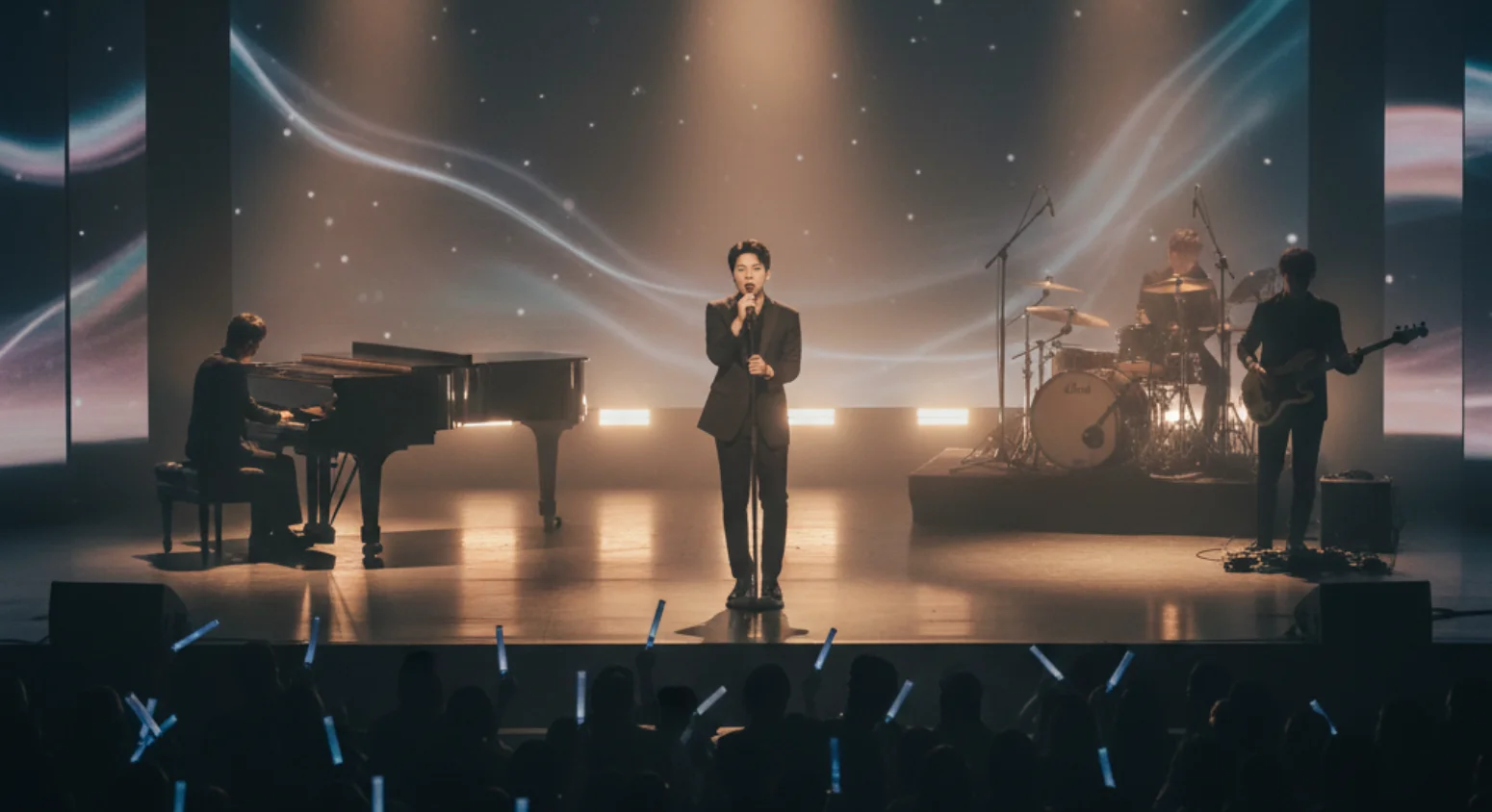
If you’ve tried getting into C-pop, you’ve probably noticed one thing right away: a lot of slow, emotional songs. Piano intros. Heartbreak lyrics. Ballads everywhere. It can make you wonder—why are so many C-pop songs ballads, and is that really all the genre has to offer?
The short answer: no. Ballads play a big role in Chinese pop music, but there’s a reason for that—and it goes deeper than taste alone. From culture and karaoke habits to how the C-pop industry works, several factors shape this sound. In this post, we’ll break down why C-pop is dominated by ballads, where this trend comes from, and how modern C-pop is starting to move beyond it.
Table of Contents
What Is C-pop?
C-pop is often treated as one single sound, but that’s where the confusion starts. If you only hear one style, it’s easy to think the entire C-pop genre works the same way.
At its core, C-pop (Chinese pop music) refers to pop music sung in Chinese and produced across Greater China and beyond. It’s an umbrella term, not a fixed formula.
The Musical Landscape of C-pop
C-pop covers a wide musical range, but certain patterns show up more often in mainstream releases. These patterns explain why C-pop ballads feel so dominant.
- Melody-first songwriting: Many Chinese pop songs focus on strong, memorable melodies rather than heavy beats.
- Emotion-driven lyrics: Love, longing, and personal reflection are common themes across C-pop genres.
- Clean, simple arrangements: Piano, strings, and light percussion are used to keep the vocal front and center.
- Live performance friendly: Songs are written to sound good in concerts, TV stages, and karaoke settings.
This musical landscape shapes how Chinese pop music is written, promoted, and remembered by listeners.
What Is a Ballad?
When people say C-pop is mostly ballads, they’re usually reacting to the mood, not the tempo alone. The word “ballad” in Chinese pop music covers more than just slow songs.
Styles of Ballads in C-pop
C-pop ballads come in several forms, each built around emotion and storytelling rather than volume or speed.
- Piano-led ballads: Simple arrangements with piano or strings that keep the focus on vocals and lyrics.
- Story-driven love songs: These follow a clear emotional arc, often about distance, regret, or missed chances.
- Vocal showcase ballads: Designed to highlight technique, range, and control, especially in live performances.
- Modern pop ballads: Softer beats and subtle electronic elements mixed with traditional ballad structure.
These styles explain why Chinese ballad music feels so central to the C-pop genre, even as other sounds continue to grow alongside it.
Why Ballads Have Historically Dominated C-pop
For many listeners, C-pop ballads don’t just feel common—they feel expected. That’s because this sound didn’t appear by accident; it was shaped over time by culture, industry choices, and the artists people grew up with.
Cultural & Historical Roots
Chinese pop music has long valued emotion, storytelling, and melody. Early Chinese songs focused on clear lyrics and feeling, which naturally favored slower, expressive formats.
- Traditional music placed strong emphasis on mood and narrative
- Love and longing became central themes listeners related to
- These values carried over into modern Mandopop ballads
Industry & Consumer Demand
The C-pop music industry follows what works with the widest audience. Ballads are easier to sing, remember, and replay across different settings.
- Ballads perform well in karaoke culture, where singing matters more than dancing
- Radio and TV favors songs that sound good live
- Slower songs appeal to a broader age range, from teens to older listeners
This demand keeps Chinese pop ballads at the center of mainstream promotion.
Pop Legends Who Cemented the Sound
Some of the most influential C-pop artists built their careers on ballads. Their success set the standard for what “good” C-pop sounded like.
- Iconic singers became known for emotional delivery and vocal control
- Their ballads turned into classics that still shape listener expectations
- New artists were often compared to these legends, reinforcing the same style
Misconceptions: It’s Not Just Ballads
A common mistake is treating C-pop as one sound across all regions. In reality, where the music comes from heavily shapes how it sounds and how it’s promoted.
Regional Differences Matter
Different regions push different C-pop music styles, which is why the genre feels uneven if you only hear one market.
Cantopop vs. Mandopop vs. indie C-pop
These scenes operate with different goals and audiences.
- Mandopop leans heavily toward emotional ballads and polished vocals, especially in the mainland China and Taiwan markets.
- Cantopop often favors upbeat pop, rock influences, and performance-friendly tracks.
- Indie C-pop experiments more with sound, mixing electronic, folk, and alternative styles that rarely reach the mainstream.
If you only hear Mandopop, it’s easy to assume C-pop is mostly ballads.
How different markets promote different styles
Promotion plays a huge role in what listeners discover first.
- Mainstream platforms spotlight songs that work on TV and radio
- Indie artists rely more on streaming and social sharing
- Regional tastes guide what labels invest in and push forward
Explore: How Traditional Chinese Poetry Shapes Mandopop Lyrics
Examples: Ballads vs. Other C-pop Hits
One reason people think C-pop is mostly ballads is simple exposure. Listeners often hear the same type of songs repeated, while other styles stay hidden.
Curated playlist suggestions
If you want a fuller picture of Chinese pop music, playlists make a big difference.
- C-pop ballads playlist: Focus on emotional vocals, piano-led tracks, and classic love songs
- Upbeat C-pop songs playlist: Dance pop, electronic, and rhythm-driven tracks
- Modern C-pop mix: Blends R&B, hip-hop, and pop for a more current sound
Searching with specific terms helps surface more than just Chinese ballad music.
Spotlights of notable non-ballad songs contrasting the stereotype
Plenty of C-pop hits break away from the slow, emotional formula.
- High-energy pop tracks built for live stages
- R&B-influenced songs with stronger grooves
- Genre-blending releases that mix pop with rap or electronic elements
These songs show that C-pop music styles extend well beyond ballads when you know where to look.
Discover: From Beijing to Hollywood — Cross-Cultural Collaborations in Music
Conclusion
If C-pop mostly sounds like ballads, it’s not because the genre is limited. It’s because history, culture, and industry habits pushed emotional songs to the front. That matters if you’re trying to understand Chinese pop music—or if you’ve felt bored thinking every C-pop track sounds the same.
Once you know why C-pop ballads dominate playlists, it’s easier to look past them. You can find upbeat C-pop songs, modern styles, and artists doing something different. The genre makes more sense when you stop judging it by the first few songs an algorithm shows you.
The next step is simple: listen wider, not louder.
FAQs
1. Is C-pop only ballads?
No. While C-pop ballads are common, the genre also includes R&B, hip-hop, electronic, and dance pop. These styles are just less visible on mainstream playlists.
2. Why are so many C-pop songs slow?
Many Chinese pop songs are written for karaoke and live singing, where slower tempos work better. That naturally favors ballads over fast, beat-heavy tracks.
3. How is C-pop different from K-pop?
C-pop focuses more on lyrics and vocals, while K-pop emphasizes choreography and visuals. This difference explains why C-pop music styles lean more emotional.
4. Are there upbeat C-pop songs?
Yes. There are plenty of upbeat C-pop songs, but you often have to search by mood, genre, or artist instead of relying on default recommendations.