

Chinese music has a long and fascinating history, shaped by instruments that produce some of the most distinctive sounds in the world. From the gentle melodies of the guzheng to the expressive voice of the erhu, traditional Chinese instruments have played an important role in the country’s cultural identity for centuries.
Today, these instruments are finding a new place in modern music. Artists are combining traditional Chinese sounds with pop, rock, electronic music, hip-hop, and film scores. This blend of old and new has helped introduce Chinese instruments to younger audiences around the world.
Here are some of the best modern Chinese instruments and the unique sounds they bring to music.
1. Guzheng – The Elegant Chinese Zither
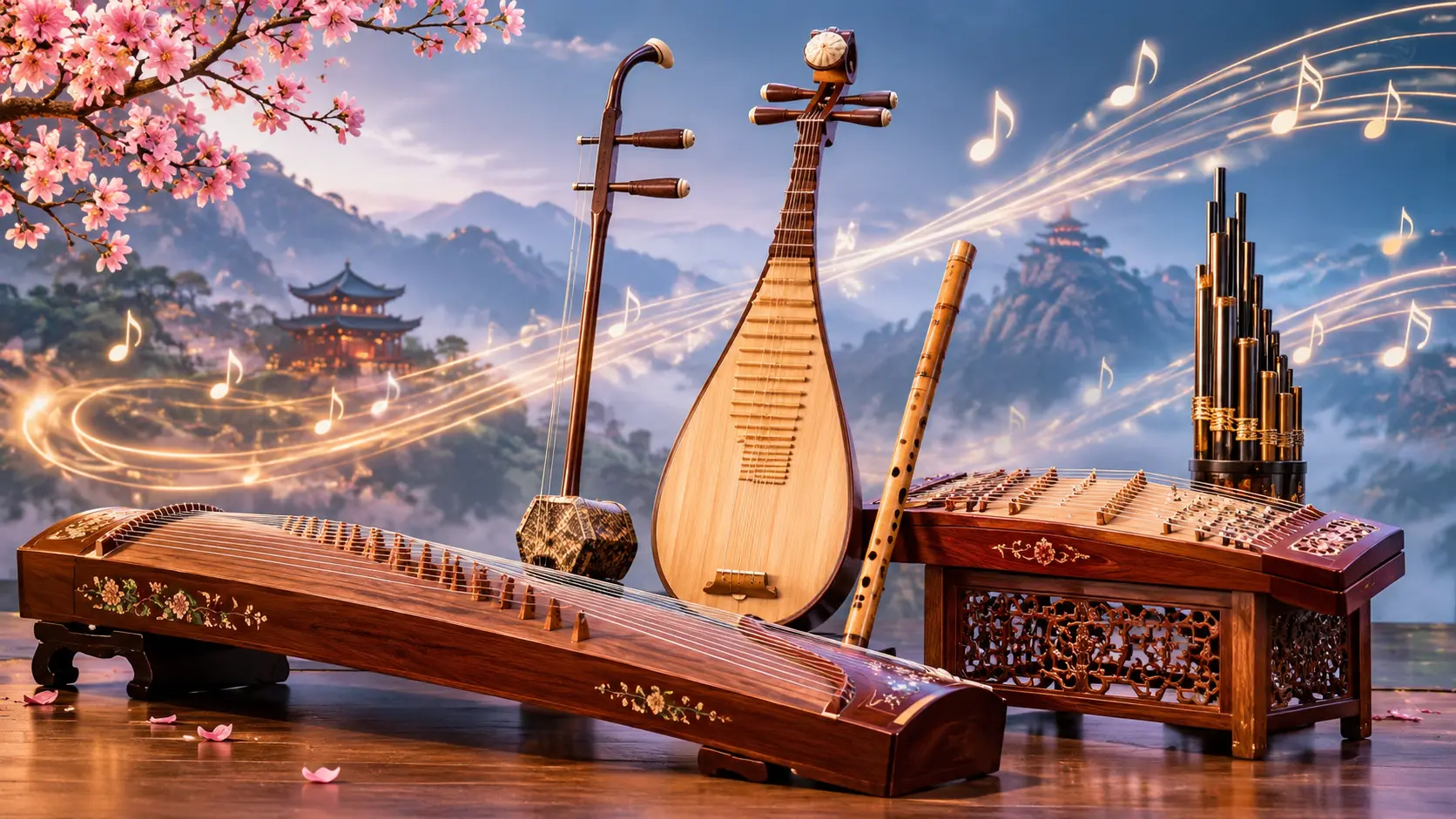
The guzheng is one of the most recognisable traditional Chinese instruments. It is a plucked zither with movable bridges and multiple strings. Musicians use their fingers, often with small picks, to create flowing melodies, delicate rhythms, and dramatic musical passages.
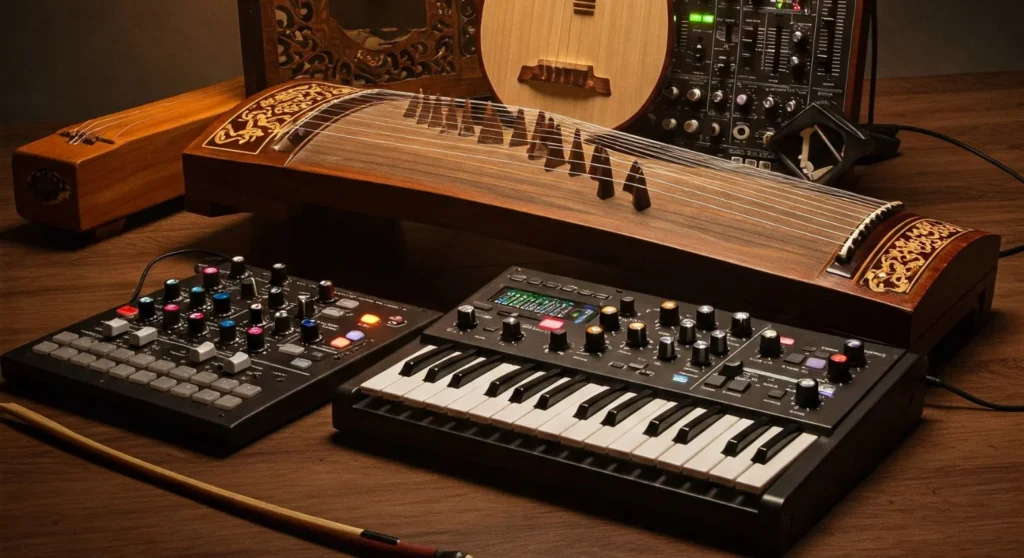
Although the guzheng has been played for centuries, it has become increasingly popular in modern arrangements. Its sound works beautifully with pop music, orchestral compositions, and cinematic soundtracks. Some performers also experiment with electronic effects to give the instrument a more contemporary character.
2. Erhu – The Expressive Two-String Instrument
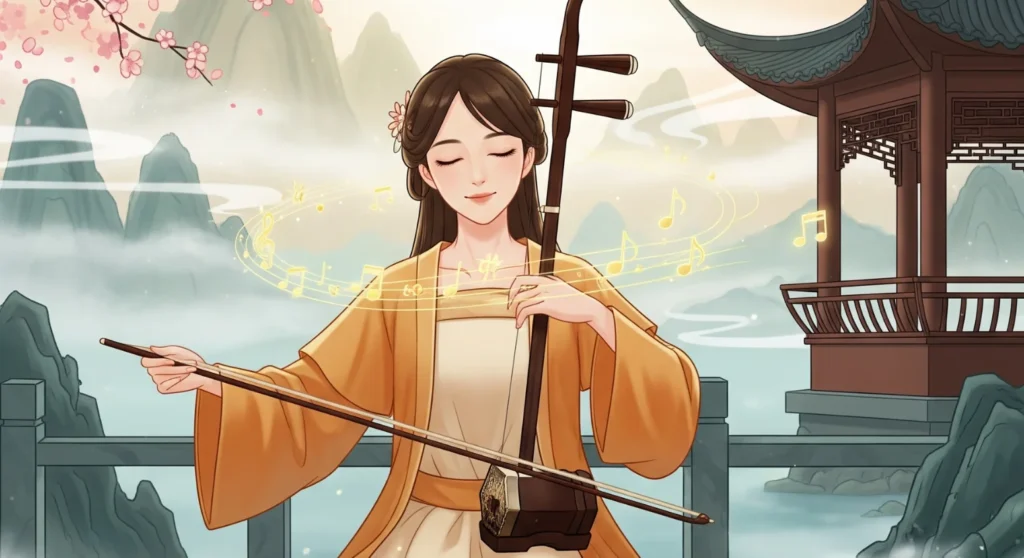
The erhu is a two-string bowed instrument often recognised for its emotional and vocal-like sound. It can produce melodies that feel gentle, sorrowful, powerful, or deeply moving.
In modern Chinese music, the erhu is frequently used to add an emotional layer to pop songs, instrumental compositions, and movie soundtracks. Its expressive tone can stand out against modern drums, guitars, and synthesizers, creating an interesting contrast between traditional and contemporary sounds.
3. Pipa – The Versatile Chinese Lute
The pipa is a four-stringed instrument with a distinctive pear-shaped body. It is played by plucking the strings with the fingers or picks. Known for its wide range, the pipa can produce soft melodies as well as fast, energetic passages.
Modern musicians use the pipa in fusion music, experimental compositions, and contemporary performances. Its sharp, rhythmic sound makes it particularly suitable for arrangements that combine Chinese musical traditions with rock and electronic elements.
4. Dizi – The Traditional Chinese Bamboo Flute
The dizi is a bamboo transverse flute known for its bright, clear, and lively tone. A special membrane covering an additional hole gives many dizi performances a distinctive buzzing quality.
In modern arrangements, the dizi can bring a refreshing and airy sound to a composition. It is used in traditional ensembles, orchestral music, television soundtracks, and contemporary Chinese pop. Its melodies can create a strong sense of atmosphere while keeping a connection to traditional Chinese musical styles.
5. Yangqin – The Chinese Hammered Dulcimer
The yangqin is a hammered dulcimer played with two small bamboo beaters. Its strings produce bright, ringing notes, making it one of the most recognisable instruments in Chinese ensembles.
The instrument is especially versatile because it can perform both melodic lines and rhythmic patterns. In modern music, the yangqin can complement orchestral arrangements and create a rich texture alongside keyboards, percussion, and other instruments.
6. Sheng – The Unique Chinese Mouth Organ
The sheng is a traditional mouth organ made from several bamboo pipes arranged around a wind chamber. Unlike many wind instruments, it can produce multiple notes at the same time, allowing musicians to play chords as well as melodies.
Its unusual sound makes it an interesting choice for modern compositions. The sheng can work with orchestras, experimental music, and contemporary arrangements, adding a distinctive traditional character.
The Growing Influence of Chinese Instruments in Modern Music
Chinese instruments are no longer limited to traditional performances. Musicians are exploring new ways to use them in modern genres, allowing their sounds to reach audiences beyond China.
Artists such as Leehom have helped bring Chinese musical elements into contemporary Mandarin pop. By combining traditional influences with modern production, musicians can create music that feels both culturally connected and internationally accessible.
This approach shows that traditional instruments do not have to remain in the past. They can evolve, adapt, and become part of new musical experiences.
Conclusion
The best modern Chinese instruments offer much more than beautiful sounds. They represent centuries of musical history while continuing to inspire contemporary artists. Whether it is the expressive erhu, the energetic pipa, or the elegant guzheng, each instrument brings something unique to modern music.
As more musicians experiment with traditional Chinese sounds, these instruments will continue to play an important role in shaping the future of Chinese music.